

Blog
Herb Gardens That Do More: Cooking, Pollinators, and Wellness
May
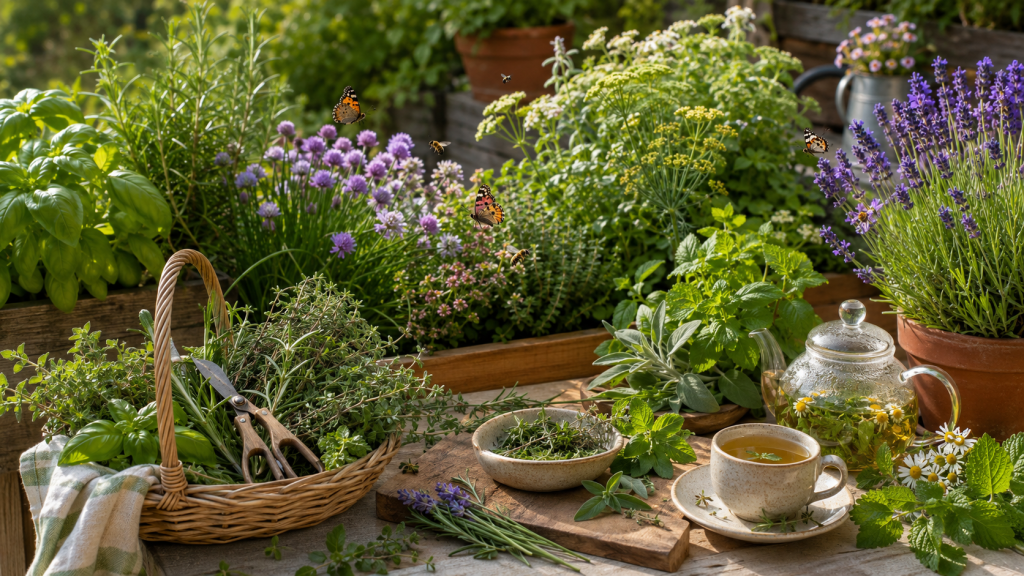
Herbs are often treated like a small add-on to the garden: a pot of basil by the door, a little parsley for dinner, maybe some mint tucked into a container. But a well-planned herb garden can do much more. It can bring fresh flavor to your kitchen, support pollinators, add fragrance to outdoor spaces, and create simple moments of wellness right at home.
The best part? You do not need a large garden to grow herbs successfully. A sunny patio, raised bed, window box, or cluster of containers can become a productive, beautiful, multi-use herb garden.
Herbs for the Kitchen
For everyday cooking, start with herbs you already use. Basil, parsley, cilantro, thyme, rosemary, oregano, sage, and chives are all excellent choices. Keep fast-growing herbs like basil and cilantro close to the kitchen so they are easy to snip while cooking.
Mediterranean herbs such as rosemary, thyme, oregano, and sage prefer full sun and well-drained soil. They are ideal for containers, especially when paired with quality potting mix. Leafy herbs like parsley, basil, and cilantro appreciate consistent moisture and regular harvesting to encourage fresh growth.
A simple “pizza and pasta” container with basil, oregano, parsley, and thyme is a practical way to make herbs useful from day one.
Herbs for Pollinators
Many herbs become pollinator magnets when allowed to flower. Bees, butterflies, and other beneficial insects are especially drawn to blooms from thyme, oregano, chives, dill, fennel, lavender, mint, and basil.
To support pollinators, let a few herb plants go to flower instead of harvesting every stem. Dill and fennel are especially valuable because they can also serve as host plants for swallowtail butterfly caterpillars. Chive blossoms add color, while oregano and thyme create low-growing flowers that blend well into garden beds.
Planting herbs near vegetables can also help attract beneficial insects into your edible garden.
Herbs for Wellness and Everyday Enjoyment
Herbs can support a calmer, more sensory garden experience. Lavender, mint, lemon balm, rosemary, and chamomile are favorites for fragrance, teas, sachets, and simple outdoor relaxation.
A “wellness container” might include lavender for fragrance, mint for tea, rosemary for texture, and lemon balm for its bright citrus scent. Keep mint and lemon balm in containers, since they can spread quickly in garden beds.
Even brushing your hand across rosemary or lavender as you walk by can make a patio or entryway feel more inviting.
Build Your Multi-Use Herb Garden
Choose a sunny location with at least six hours of light per day. Use containers with good drainage, harvest regularly, and group herbs by water needs. Add quality soil and plant care products from trusted brands like Espoma, Coast of Maine, FoxFarm, Bonide, Scotts, and Jonathan Green to give your herbs a strong start.
Visit Wyman’s Garden Center to choose herbs for cooking, pollinators, and everyday wellness—and build a garden that works harder, tastes better, and feels good to be around.
Before you stop in, download the Wyman’s Garden Center app for seasonal tips, special offers, garden inspiration, and updates from the garden center right on your phone.
FAQ
What herbs are easiest for beginners?
Basil, parsley, chives, thyme, oregano, and mint are reliable choices for most home gardeners.
Can herbs grow in containers?
Yes. Most herbs grow very well in pots as long as they have sun, drainage, and consistent care.
Which herbs attract pollinators?
Lavender, oregano, thyme, dill, fennel, chives, basil, and mint are excellent pollinator-friendly herbs.
Should I let herbs flower?
Letting some herbs flower supports pollinators, but regular harvesting keeps culinary herbs more productive. A mix of both is ideal.