

Blog
Keep the Pollinators Coming: Late-Summer Plants Bees and Butterflies Love
Jul
By late summer, many of the flowers that filled our gardens in June and July have begun to fade. Bees, butterflies, hummingbirds, and other beneficial pollinators, however, still need dependable sources of nectar and pollen. Adding a few late-blooming plants can keep your garden colorful and active well into fall.
Perennials That Extend the Season
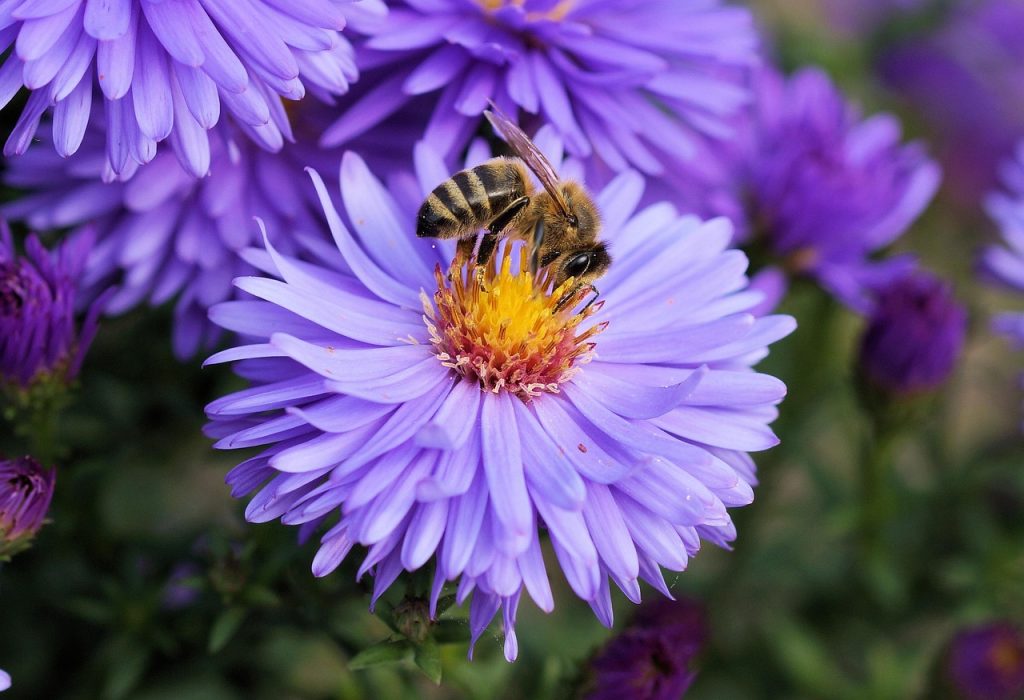
Late-blooming perennials form the backbone of a pollinator-friendly fall garden. Coneflowers, black-eyed Susans, garden phlox, sedum, and Russian sage provide weeks of color and attract a steady stream of bees and butterflies. Asters are especially valuable because they begin blooming when many other flowers are finishing.
Joe-Pye weed is another pollinator favorite. Its large clusters of mauve-pink flowers attract butterflies and make an impressive statement toward the back of a perennial border. Goldenrod is also an excellent late-season nectar source and is frequently visited by native bees.
Make Room for Native Plants
Plants native to New England are particularly beneficial because local pollinators have evolved alongside them. New England asters, mountain mint, goldenrod, blazing star, sneezeweed, and native perennial sunflowers all help support bees and butterflies preparing for colder weather.
Native plants are generally well suited to our local climate and can become dependable, lower-maintenance additions once established.
Let Herbs Flower
Herbs can serve two purposes in the late-summer garden. Allow a few stems of basil, oregano, thyme, mint, chives, dill, or parsley to flower instead of harvesting everything. Their small blossoms are highly attractive to bees and other beneficial insects.
Parsley and dill can also serve as host plants for black swallowtail butterfly caterpillars. Finding a few caterpillars on these herbs is a sign that your garden is supporting the complete butterfly life cycle.
Add Color with Annuals
Annuals keep flowering until frost when watered and deadheaded regularly. Zinnias, lantana, cosmos, marigolds, salvias, verbena, and sunflowers can quickly fill open spaces in garden beds or containers while providing additional nectar.
For the greatest benefit, plant flowers in groups so pollinators can locate them easily. Choose several flower shapes and colors, provide a shallow water source, and avoid spraying insecticides while plants are blooming.
Stop by Wyman’s Garden Center to find late-summer perennials, native plants, herbs, and annuals that will keep your landscape blooming—and the pollinators visiting—right through fall.